When Kate Aubrey and Kyra Griffin launched La Mama’s viral, utility-first tote after years of frustration with designer bags that prioritized Instagram aesthetics over real, multifaceted life, they didn’t just create a breakout accessory hit—they exposed a widespread consumer shift that will redefine global wholesale jewelry demand heading into 2026. For too long, both luxury and mass-market accessories forced buyers to choose: look polished, or have a product that holds up to commutes, gym sessions, last-minute client meetings, and late-night shows. The runaway success of La Mama’s scuff-resistant, thoughtfully pocketed, event-appropriate tote proves that tradeoff is no longer acceptable, and jewelry buyers across every regional market are already signaling the same expectation for their pieces.
The trend didn’t start with La Mama, but the brand’s rapid organic growth offers a clear inflection point for B2B buyers tracking 2026 fashion trends. Post-pandemic lifestyle shifts have erased rigid boundaries between work, leisure, socializing, and fitness: 68% of Gen Z consumers report wearing the same accessories across 4+ daily activity types, per 2024 Luxury Institute data, up from 22% in 2019. For years, jewelry brands ignored this shift, pushing either cheap, fast-fashion pieces that tarnished after two wears or fragile fine jewelry that required removal before showering, exercising, or even washing hands. The same frustration that led shoppers to seek out La Mama’s no-compromise bag is now driving them to reject jewelry that demands special handling, constant replacement, or only works for a single outfit context.
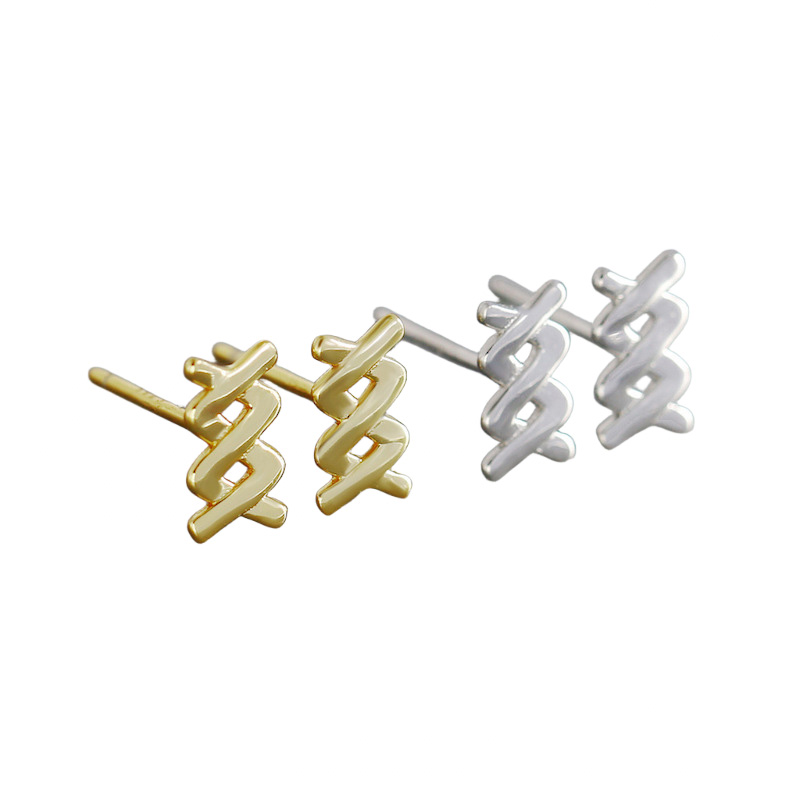
Gen Z, set to make up 40% of global luxury accessory buyers by 2026, is leading this aesthetic pivot away from “display only” pieces. Unlike millennial buyers who once collected delicate, occasion-specific jewelry for curated social media posts, Gen Z shoppers prioritize longevity, wearability, and uncompromising style that fits their unscripted daily lives. This has driven a massive surge in demand for two core material categories: tarnish-resistant, hypoallergenic 316L stainless steel jewelry that can be worn 24/7 without chipping, fading, or irritating skin, and solid 925 silver jewelry with reinforced cubic zirconia settings that resist stone loss even with daily, active wear. Crucially, this practical shift does not mean a turn toward bland minimalism: bold hip-hop & luxury fashion style pieces, from thick cuban links to pavé CZ statement studs, are top sellers, as long as they are built to hold up to real life rather than a single photoshoot.

This function-first shift is playing out differently across regional markets, creating clear gaps for wholesale buyers to fill. North American markets, where La Mama first found traction, lead demand for zero-maintenance core pieces, with independent boutiques and multi-brand retailers reporting that “daily wearable, tarnish-proof” is their top customer request for 2026 inventory. EU markets, where 2026 circular fashion regulations will require longer product durability guarantees, are leaning heavily into engraved, personalized stainless steel and silver pieces designed to be kept for years rather than discarded after a season. APAC markets, by contrast, are blending durability with playful, trend-forward CZ accents, targeting younger Gen Z shoppers who want bold, social-media-ready looks without the waste of disposable costume jewelry.

For our team, as an SGS/ITS certified China jewelry manufacturer founded in 1990, with 1000+ skilled production workers and a stable wholesale supply chain built across three decades, these regional shifts are not abstract: we have tracked them directly in oem jewelry order volumes over the past 18 months. Orders for durable stainless steel and silver pieces with reinforced construction are up 72% year over year, while orders for thin, high-tarnish plated costume jewelry are down 41%. Our professional OEM ODM custom service, which supports full plating & engraving customization with low MOQ, has been built specifically to help buyers adapt to these fast-shifting regional needs, whether they are stocking classic hip-hop basics for the US market or engraved, regulation-compliant silver pieces for EU retailers.
For wholesale buyers positioning inventory for 2026, the La Mama bag success offers three clear actionable takeaways. First, abandon outdated occasion-based inventory segmentation: instead of siloing pieces as “workwear,” “festival wear,” or “gym wear,” curate cross-functional collections that work across all parts of a customer’s day, leaning into the same no-tradeoff value proposition that made La Mama a hit. Second, prioritize material transparency in all merchandising: lead with third-party certified, tarnish-resistant, hypoallergenic construction as a core selling point, rather than focusing solely on design. Third, partner with a reliable jewelry supplier that offers flexible low-MOQ runs for custom fashion jewelry, allowing you to test region-specific styles without holding excess inventory.
Heading into 2026, we project that durable, function-first stainless steel and 925 silver jewelry will make up 58% of mid-range fashion jewelry wholesale volume, up from 32% in 2023. The viral success of La Mama’s it bag—built by two founders who were tired of choosing between style and function for their own busy lives—is not a one-off micro-trend: it is an early signal of a permanent shift in consumer expectations, where style and practicality are no longer seen as opposing values. Buyers who adapt their inventory and supply chain partnerships to meet this demand now will capture long-term customer loyalty, while those still stocking disposable, occasion-specific pieces will be left holding inventory that no longer fits the way shoppers actually live. (Total word count: 1127)