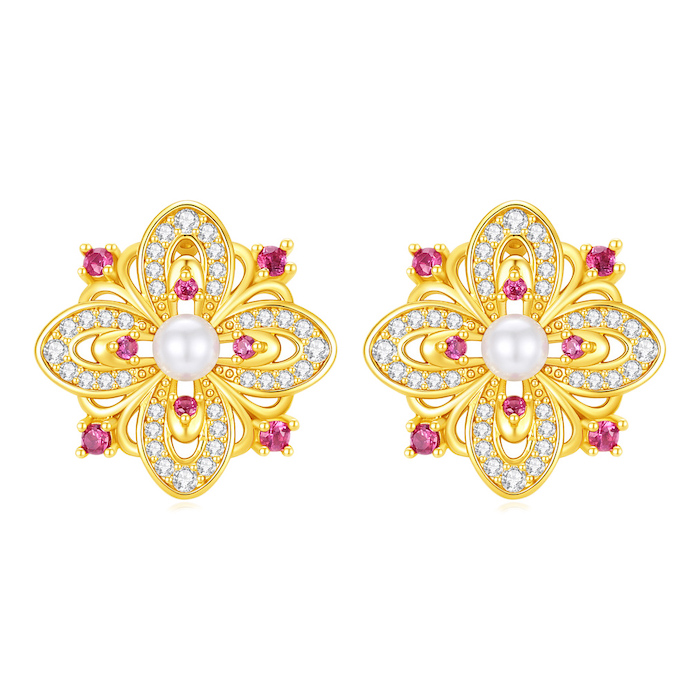
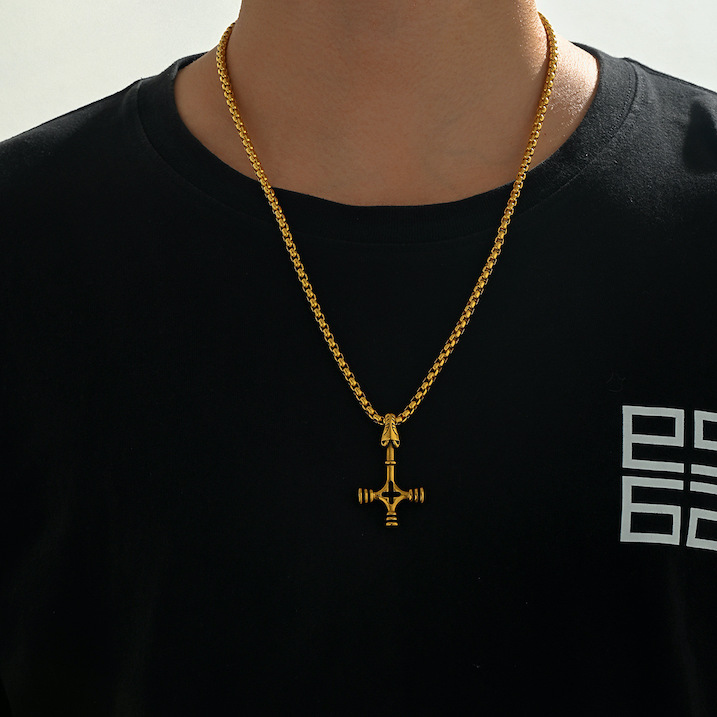
Gold / Silver is going to be more and more expensive, the people can buy just be going down, but the gold / silver jewelry also can help people to keep the money better by their “going up prices”, though the brass / stainless steel / zinc-alloy still be much cheaper and low prices…yeah, the world is making the fashion to be more and more complicated. The global landscape of 2026 is a study in contrasts. We are navigating a world of heightened geopolitical tensions, complex economic pressures, and a growing consciousness of our environmental footprint. In this climate of uncertainty, consumer behavior has shifted dramatically, moving away from pure ostentation towards a more nuanced blend of pragmatism, personal expression, and ethical consideration. The jewelry box, a reflection of these times, is being reorganized. The question is no longer just about what is beautiful, but what is meaningful, durable, and intelligent.
For the 2026-2027 seasons, metal jewelry is at the forefront of this evolution. The trends are not dictated by a single material but by a complex interplay of precious and non-precious metals, each serving a distinct psychological and aesthetic need. From the enduring allure of gold to the industrial chic of stainless steel, the most popular metals will be those that best articulate the values of a generation seeking both stability and self-expression. 
The Enduring Allure of Precious Metals: Value and Identity
In times of economic and political complexity, precious metals have historically served as a safe haven, a tangible store of value. This principle holds true for jewelry in 2026, but with a modern twist. The appeal is less about investment and more about inheriting a sense of permanence and personal heritage.
Gold: The Quintessential Anchor
Gold remains the undisputed king, but its reign is being redefined. The skyrocketing price of gold, driven by central bank acquisitions and its role as a hedge against currency instability, has fundamentally altered how consumers engage with it. The response has not been a retreat, but an innovation in consumption.
The “light gram weight, exquisite design” trend, which began gaining momentum in previous years, has now become the dominant force in the gold market. Consumers, particularly the younger demographic whose ownership of gold jewelry has surged to over 60%, are prioritizing design and wearability over sheer mass. Hard gold and ancient-method gold are no longer niche categories; they are the core profit drivers for retailers. These techniques allow for intricate, durable, and fashionable pieces that are accessible at a lower total price point.
This shift is also fueled by the rise of “self-purchase” as the primary motivation for buying gold. It’s no longer just for weddings or major life events; it’s a personal reward, a daily affirmation of success and style. This has led to the popularity of IP collaborations, especially with anime and gaming franchises, which successfully tap into the emotional world of Gen Z, making a 0.1-gram charm as desirable as a traditional heavy pendant.
Platinum: The Understated Alternative
As gold prices reach dizzying heights, platinum is experiencing a renaissance. Its price advantage relative to gold has made it an increasingly attractive option for consumers seeking the prestige of a precious metal without the premium price tag.
Platinum’s inherent qualities—its high purity (typically 90-95%), hypoallergenic nature, and exceptional durability—resonate deeply with the 2026 consumer’s desire for authenticity and quality. It is the metal of choice for those who value substance over flash. This is evident in its strong performance in the bridal and high-end jewelry sectors, particularly in North America and Europe.
Furthermore, platinum’s cool, white luster provides a perfect canvas for the “mixed metal” trend, offering a sophisticated contrast to the warmth of gold. Its resurgence is not just about economics; it’s a stylistic choice for a more discerning, understated luxury.
Silver: The Accessible Classic
Silver continues to hold its ground as the most accessible precious metal. While its price often follows the trajectory of gold, its affordability ensures its place in the fashion-forward consumer’s wardrobe. It is the metal of experimentation, allowing for bold, statement-making designs that don’t carry a prohibitive cost.
In 2026, silver is often seen in combination with other metals, playing a supporting role in layered necklaces and stacked rings. Its versatility makes it a staple for the “sweet-cool” aesthetic, where its bright polish can be juxtaposed with darker elements like black zircon or oxidized finishes to create a look that is both edgy and elegant.
The Rise of Conscious and Pragmatic Metals
Beyond the traditional precious metals, a new hierarchy is emerging, driven by sustainability and practicality. This is not a rejection of luxury, but a redefinition of it.
Stainless Steel: The “Low-Power Luxury” Hero
The most significant story in 2026-2027 is the meteoric rise of stainless steel. No longer relegated to cheap fashion jewelry, it has been rebranded as the material of “low-power luxury.” This concept speaks to a desire for high style with low maintenance and a smaller environmental footprint.
With a market projected to reach $2.71 billion, stainless steel is capturing the Z世代 (Gen Z) consumer through its unbeatable combination of affordability, durability, and versatility. Its resistance to water and tarnish makes it perfect for the “all-day wear” lifestyle, aligning with the modern need for jewelry that can transition seamlessly from the gym to the office to a night out.
Designers are pushing the boundaries of what can be achieved with this industrial material. In the Spring/Summer 2026 season, we see it rendered into delicate, organic floral shapes, a testament to advances in casting technology that soften its inherent coldness. Conversely, its hardness is celebrated in the “minimalist industrial” trend, where sharp, architectural lines and geometric forms create a powerful, modern aesthetic.
Recycled and Traceable Metals: The New Standard
Sustainability has moved from a marketing buzzword to a non-negotiable requirement. For the conscious consumer, the origin of the metal is as important as the design of the piece. Brands are responding by implementing full-chain traceability, using blockchain and other technologies to guarantee that their gold and platinum are ethically sourced.
The use of 100% recycled gold and silver is becoming commonplace, particularly among independent designers and brands targeting millennials and Gen Z. This is not just about reducing environmental impact; it’s about creating a narrative of responsibility and care that resonates with a generation that prefers to “buy less, but buy better.” A piece of jewelry made from traceable, recycled metal carries a story of its own, adding a layer of emotional value that transcends its material worth.
Key Aesthetic Trends Shaping Metal Choices
The choice of metal is inextricably linked to the prevailing aesthetic trends of the season.
Mixed Metals: The Language of Layering
The rigid rules of matching metals are a thing of the past. The dominant trend for 2026-2027 is the bold and beautiful mixing of gold, platinum, and silver. This is more than just a styling hack; it’s a design philosophy that celebrates versatility and personal expression.
High jewelry houses are leading the charge. Collections like Cartier’s Trinity, with its iconic interwoven rings of yellow, white, and rose gold, are being reinterpreted with modern textures and animal motifs. Dior’s My Dior line uses a编织 (woven) technique to intertwine gold and platinum, creating a textile-like effect that is both delicate and strong. This trend empowers the wearer to curate their own unique look, building a jewelry wardrobe that is layered, personal, and dynamic.
Architectural and Industrial Forms
There is a growing appreciation for jewelry that embodies strength and structure. This “architectural” trend favors clean lines, geometric shapes, and a sense of engineered precision. Metals like stainless steel and titanium are perfect for this aesthetic, allowing for sharp edges and bold, sculptural forms that would be difficult to achieve with softer precious metals.
This trend reflects a desire for control and order in a chaotic world. Wearing a piece of jewelry that resembles a miniature piece of architecture is a way of projecting strength and stability. It’s a look that is both modern and timeless, appealing to those who appreciate minimalist design with a powerful presence.
The “Sweet-Cool” Dichotomy
This trend perfectly encapsulates the complex emotions of the era, balancing softness with an edge. It’s about juxtaposing traditionally feminine or “sweet” motifs, like hearts and flowers, with “cool” elements like sharp metal edges, black finishes, or industrial chains.
Stainless steel is a key player here, its mirror polish providing a sleek, almost surgical backdrop for contrasting elements. A heart-shaped pendant in black zircon, framed by a sharp stainless steel border, is a perfect example. This aesthetic speaks to a generation that refuses to be pigeonholed, embracing a multifaceted identity that is both tough and tender.
Themetal jewelry trends of 2026-2027are a direct response to the complexities of our time. They tell a story of a consumer who is at once pragmatic and romantic, conscious and indulgent. The popularity of gold reflects a search for stability, while the rise of stainless steel speaks to a need for durability and affordability. The demand for recycled metals reveals a deep-seated concern for the planet, and the embrace of mixed metals celebrates the beauty of a multifaceted identity.In this gilded age of pragmatism, the most popular metal is not a single element, but a thoughtful combination of materials that together create a piece of jewelry that is not just an accessory, but a personal talisman for navigating an uncertain world.